
 PeopleSpheres
 HR teams are increasingly starting to dread manual scheduling. It translates to prolonged correspondence by email. Missed meetings. Double bookings. Or worse: no-shows that blow your whole day.
When your team continues to use spreadsheets or inbox wrangling to schedule interviews, performance reviews, or client appointments, it is high time to take a reality check: automation can no longer be considered a luxury, but it is now a necessity.
In this modern, hectic world of the enterprise, scheduling can be automated, and you too can gain valuable hours back, eradicate friction, and generate more pleasant experiences for existing and potential employees.
Join us as we unbox scheduling automation and discover why it is among the best moves you take this year.
Related articles:
Technology Provides Workplace Flexibility for Frontline Workers
What is Flextime? Definition and Understanding its Benefits
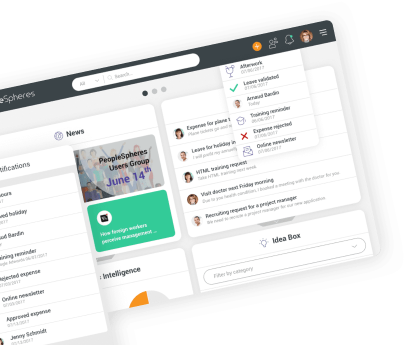
Why Schedule Automation Is the New HR Power Tool
When we think of HR automation, we often picture AI or robotics. But in HR and operations, automation starts with something simpler which is streamlining repetitive tasks.
Automated helpdesk solutions eliminate the back-and-forth and ensure everyone gets where they need to be, on time.
Think about your hiring process. Instead of recruiters emailing candidates to find mutual availability, automated systems allow them to book directly from an online calendar.
- Rescheduling? Done in one click.
- Reminders? Sent automatically via SMS or email.
- Follow-ups? Triggered instantly after a missed meeting.
This is convenience and consistency at scale.
Reduce No-Shows and Improve Engagement
Despite their good intentions, people can forget meetings. This can be an interview, training, or even a client call. Nevertheless, missed appointments are annoying and costly.
Reminders can be automated in order to minimize no-shows significantly and enhance participation.
This is due to the fact that regular communication creates accountability. The participants can be reminded and updated in order to appear prepared and on time when they get the timely information.
You can easily reduce no-shows through the establishment of automated text or email reminders for all appointments made by the enterprise. These notifications may go as far as being customized by name, meeting requests, and instructions. This adds a human touch without having to do it manually.
Over time, that consistency creates a smoother, more professional brand experience whether you’re managing client calls or internal 1:1s.
More Control, Less Chaos
Lack of visibility is one of the greatest frustrations for large HR teams. Who’s booked? Who’s canceled? Which rooms are free? When there is no centralized system, it is easy to have things fall through the cracks.
Automated scheduling tools update in real time by integrating with such calendar systems as Google, Outlook, or Microsoft Teams. It is to say that when an individual re-books a meeting, all the calendars automatically change.
No duplicate invites. Less room conflicts. Avoided outdated meeting links.
Role-based access can also be set up. Managers can view the appointments within their team, recruiters can view interviews, and HR leaders can draw out analytics on the scheduling trends.
Suddenly, what was like chaos begins to run like clockwork.
Automation Scales with You
Manual scheduling becomes a nightmare when your organization becomes larger. It becomes more complicated with the number of people you add, as well as the amount of time your team wastes trying to manage it.
Automation tools take care of scheduling volume regardless of the number of employees you are dealing with: be it 10 or 1,000.
You can:
- Automatically assign appointments to available team members.
- Customize workflows by department (HR, Sales, Customer Support, etc.).
- Use time zone detection for international teams.
- Generate performance insights on attendance and engagement rates.
That scalability means no matter how fast your business grows, your scheduling process stays efficient and consistent.
Employee Experience: The Hidden Benefit of Schedule Automation
Scheduling automation does not only involve the issue of saving time, but also involves simplifying the lives of people.
It is a win-win situation as all parties gain: the HR, leadership, and the employees. It also demonstrates that your company is keen on investing in smart solutions to remove day-to-day friction.
Besides that, automation can make it easier to onboard, conduct performance reviews, and hold meetings with feedback, which leaves HR to meaningful interaction and not logistical work.
Integration: The Secret Sauce of Enterprise Efficiency
Automation works best when it’s connected. A great scheduling system doesn’t live in isolation – it integrates seamlessly with the tools your teams already use.
Modern automation platforms integrate with CRM systems, communication apps, and HR tools so that your scheduling data feeds into your larger ecosystem automatically.
That means you can:
- Sync appointments with Slack or Teams.
- Log meeting history in your HR software.
- Trigger follow-up workflows automatically (like sending surveys or feedback forms).
When automation works across systems, it doesn’t just save time – it fuels data-driven decision-making.
Compliance and Security: The Unsung Heroes of Automation
Businesses can not afford to sacrifice data security. Privacy and compliance are important whether you are scheduling interviews with applicants or meetings with employees.
IBM Cost of a Data Breach Report 2024 states that the average cost of a breach amounts to $4.45 million to enterprises, and this is the reason why it is important to manage data safely.
Through trusted platforms, automation eliminates the possibility of human error and information leakage. The tools in most enterprise-grade are:
- GDPR compliance
- Encrypted data storage
- Access control and user authentication
- Audit logs for accountability
So, automation makes you work both faster and safer.
The Future: AI-Driven Smart Scheduling
We’re already seeing AI shape the next evolution of scheduling automation.
Imagine a system that learns from your team’s patterns: predicting the best meeting times, automatically adjusting based on availability, and even preventing burnout by balancing workloads.
AI-based scheduling assistants will soon move from helping HR teams manage calendars to optimizing entire organizational rhythms. That’s the future of enterprise efficiency, and it’s closer than we think.
Conclusion
At the end of the day, scheduling might seem small, but it’s the thread that ties your operations together. Every delay, every no-show, and every missed follow-up costs you more than just time; it costs you momentum.
By automating scheduling, enterprises create structure out of chaos. You empower your teams to focus on strategy, innovation, and human connection and not calendar juggling.
Because in business, time isn’t just money, it’s opportunity. Don’t waste it on scheduling.
-360x360.jpg)