
7 min
The Future of Workforce Communication: Low-Latency Voice APIs for HR Operations
Written by
 PeopleSpheres
 In today’s evolving workplace, communication defines the employee experience. Whether it’s a remote onboarding session, a quick check-in with HR, or an internal support request, speed and clarity in communication directly impact engagement and productivity. As organizations grow more distributed and diverse, traditional communication channels such as emails, forms, and ticket systems are struggling to keep up.
In fact, one survey noted that slow HR response times are a major cause of employee frustration, leading to a direct dip in productivity. The cost of friction is simply too high. Employees expect instant assistance, and when HR systems lag behind, it erodes trust and slows down the rhythm of work.
This is where AI-powered voice technology is making a difference. Real-time, low-latency voice APIs are enabling a new era of workforce communication that is faster, more natural, and more inclusive. These systems help HR teams automate responses, personalize interactions, and deliver seamless support to employees across the globe.
Related articles:
Technology Provides Workplace Flexibility for Frontline Workers
The Shift Toward Conversational HR
The HR landscape has evolved from transactional processes to experience-driven systems. Employees today expect the same immediacy and personalization from HR as they do from customer engagement platforms. Instead of navigating complex portals or waiting for ticket responses, they want instant, human-like interactions.
Voice interfaces bridge that gap. By allowing employees to speak naturally to ask questions, report issues, or request documents, HR systems can respond conversationally, cutting down on time and friction. Imagine an employee saying “Can you check my remaining leave balance?” and getting an immediate, spoken response. That’s the kind of intuitive experience that modern HR systems can now deliver through voice APIs.
Why Real-Time Voice Matters in HR Operations
Human resources is built on interaction, yet much of that communication remains manual, repetitive, or delayed. Real-time voice APIs bring automation and immediacy to those interactions, improving efficiency at scale.
Key advantages include:
- Instant responsiveness: Low-latency voice APIs ensure that employees get answers within milliseconds, which can cut the average resolution time for Tier-1 requests by up to 60%.
- Accessibility for all employees: Voice removes barriers for employees who may prefer speaking over typing or those who work hands-free, such as frontline staff.
- Consistency in global communication: With multilingual voice capabilities, organizations can maintain consistent HR interactions across geographies and languages.
- Human-like interaction: Natural voice tones make automated communication more relatable and engaging than text-only systems.
These features collectively transform HR operations from being reactive to proactive, delivering support exactly when and where employees need it.
How Murf Falcon Powers the Next Generation of Voice-Enabled HR
Among the leading solutions driving this change is Murf Falcon, a high-performance voice infrastructure designed for real-time communication. Built to support enterprise-grade use cases, the Falcon TTS API offers the foundation for large-scale, voice-driven HR applications that demand speed, scalability, and reliability.
Falcon for large-scale voice applications addresses some of the biggest challenges in conversational AI and HR tech, including high latency, inconsistent audio quality, and limited multilingual support. It delivers ultra-low latency of around 80 milliseconds, ensuring that voice interactions happen almost instantaneously.
The platform supports 35+ languages and dialects, enabling HR teams to serve global workforces in their native tongues. Moreover, Falcon can handle up to 10,000 concurrent calls, making it ideal for large organizations with thousands of employees accessing HR systems simultaneously.
Security and Compliance: Its on-premise deployment and global data residency options ensure compliance with regional data privacy regulations (like having a GDPR certification), a critical requirement for handling sensitive employee data. This focus on security allows enterprises to deploy Falcon with confidence, knowing their workforce information remains private and protected.
Looking ahead, many HR teams are pairing real-time voice infrastructure with staff augmentation models that let them add offshore developers, analysts, or support specialists while keeping IR35 and GDPR risk under control. Partners such as Penbrothers help C-level leaders structure staff augmentation for high-demand tech roles in a way that keeps control of workflows, data protection, and day-to-day execution.
For enterprises managing internal voice agents, employee hotlines, or automated HR assistants, Murf Falcon provides the infrastructure that keeps communication fast, secure, and scalable.
Real-World Use Cases: Voice in HR Operations
Low-latency voice APIs are already redefining HR communication in several impactful ways:
1. Employee Self-Service via Voice
Employees can access centralized HR information simply by speaking, whether to check payslips, update personal data, or request leave. A voice-enabled assistant can process requests in real time, even across multiple languages.
2. HR Helpdesk Automation
Instead of manually handling repetitive inquiries, HR teams can deploy voice bots that provide consistent, accurate responses 24/7. Real-time processing ensures that these interactions feel immediate and natural, reducing the burden on HR representatives.
3. Onboarding and Training Assistance
Voice APIs can support onboarding programs by guiding new hires through checklists or answering policy-related questions. For global teams, multilingual capabilities ensure every employee receives the same level of clarity and assistance.
4. Internal Surveys and Feedback
Collecting employee feedback can often feel transactional. With voice-enabled surveys, employees can respond conversationally, providing richer and more authentic insights that text-based forms often miss.
5. Voice-Based Accessibility Solutions
For employees with visual impairments or limited typing ability, voice-driven systems improve inclusivity and ensure equal access to HR tools and resources.
Technical Strengths That Enable Scale
Behind the scenes, these applications combine several advanced technologies to achieve real-time performance and scalability.
- Low-latency streaming architecture: Ensures sub-100ms response times for smooth, interactive conversations.
- Global server infrastructure: Maintains consistent performance across continents, vital for multinational organizations.
- High concurrency handling: Manages tens of thousands of simultaneous voice interactions without compromising quality.
- Data security and privacy: On-premise and region-specific deployments allow enterprises to maintain full control over sensitive employee data.
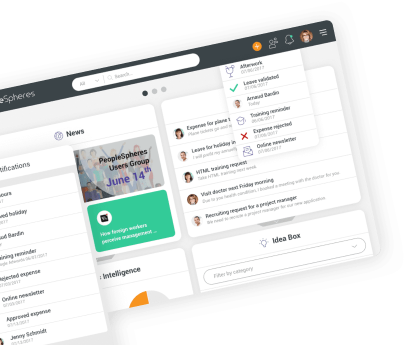
For developers, an API-first design makes it easy to integrate into existing HR tech ecosystems such as PeopleSpheres. This allows seamless embedding of voice capabilities into existing employee portals, dashboards, and mobile apps with minimal setup time.
Business Benefits Beyond Automation
Integrating voice APIs into HR operations is not just about efficiency; it’s about building stronger human connections at scale.
- Enhanced employee engagement: Conversational systems make HR more approachable and responsive.
- Reduced workload: Automating voice-based requests frees HR teams from repetitive administrative tasks.
- Scalable global communication: Organizations can serve employees across time zones without expanding support teams.
- Improved retention and satisfaction: Employees feel heard and supported, strengthening overall workplace culture.
These benefits compound over time, helping organizations modernize their HR experience while reducing operational costs.
The Road Ahead: A Voice-Driven HR Future
As workplaces continue to embrace AI and automation, voice will become a natural layer of HR interaction. Employees won’t need to navigate multiple apps or systems; they’ll simply talk to them. Whether it’s requesting a document, reporting an issue, or completing onboarding steps, conversations will replace clicks.
A combination of low latency, global scalability, and multilingual intelligence makes it the ideal solution for large-scale voice applications in enterprise HR environments. By enabling seamless, real-time voice communication, organizations can build smarter, faster, and more human-centered workplaces.
Conclusion
The future of workforce communication is conversational. As low-latency voice APIs redefine how organizations connect with employees, HR departments have the opportunity to evolve from process managers to experience designers.
By integrating advanced voice infrastructure like Murf Falcon, companies can turn everyday HR interactions into instant, engaging, and multilingual experiences, strengthening relationships, boosting engagement, and creating a truly connected workforce. The conversation has begun. Is your HR system ready to listen?
-360x360.jpg)